article by Suvankar Roy
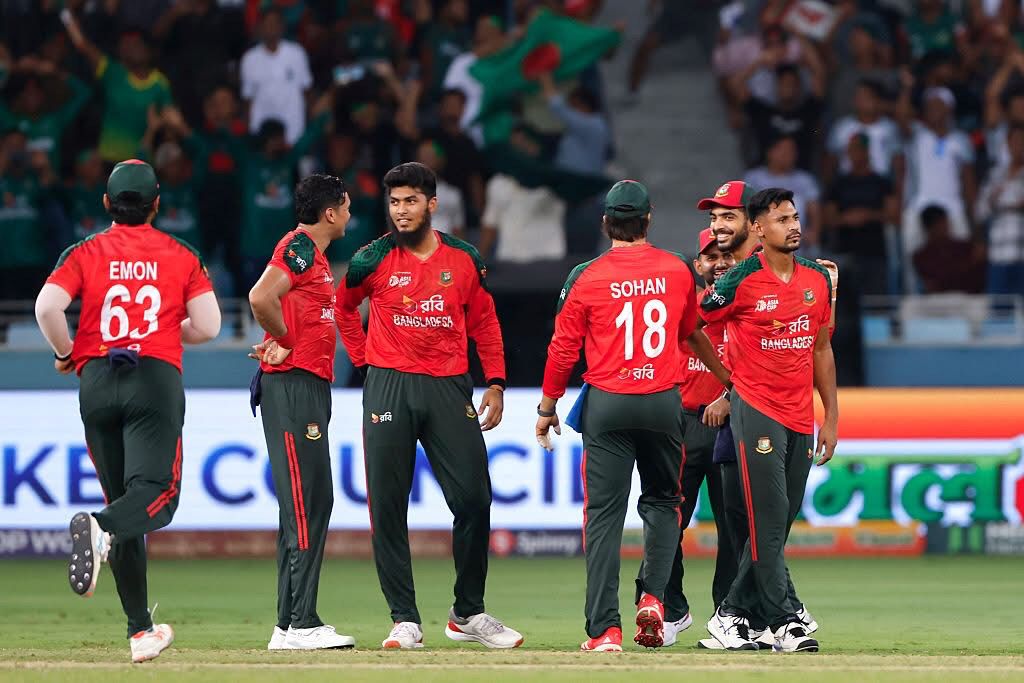
On the literal eve of the T20 World Cup, cricket and diplomacy have collided at a high-stakes crossroads. The burning question remains: will Bangladesh play their matches in India, or is the ICC on the verge of a historic venue shift?
The ICC has reportedly agreed to hear the Bangladesh Cricket Board’s (BCB) formal appeal. However, the path forward is anything but simple—it is a diplomatic minefield.
A Race Against Time and Logistics
With just over 30 days remaining until the tournament kicks off, the clock is ticking. Any shift at this stage involves a logistical nightmare of scheduling and coordination. A change wouldn’t just affect Bangladesh; it would essentially dismantle and rebuild the entire framework of Group C.

As co-hosts, the BCCI’s stance is the backbone of this issue. With three matches slated for Kolkata and one for Mumbai, a single change of heart could trigger a massive domino effect across the tournament’s infrastructure. Furthermore, should Bangladesh qualify for the Super 8s, the scope of these discussions will expand far beyond the group stages.
The Weight of Geopolitics
In a nation like India, major sporting decisions rarely happen in a vacuum—government counsel is paramount. Indian External Affairs Minister S. Jaishankar’s recent visit to Dhaka has sparked intense speculation. While the visit hinted at deep-level discussions, nothing has been set in stone.
The seeds of this diplomatic tension were sown earlier, following the recall of Mustafizur Rahman from KKR. Reports suggest that concerns over recent regional instability and socio-political issues in Bangladesh have added fuel to the fire.
The ICC is approaching the situation with extreme caution. Their current stance emphasizes “deliberation over haste”—focusing on detailed explanations, logistical coordination, and ground realities.
The ultimate question remains: Will the spirit of cricket rise above the complexities of diplomacy, or will the ticking clock dictate the final outcome?
History is currently being written, not on the pitch, but behind the closed doors of silent negotiation tables