article by Suvankar Roy
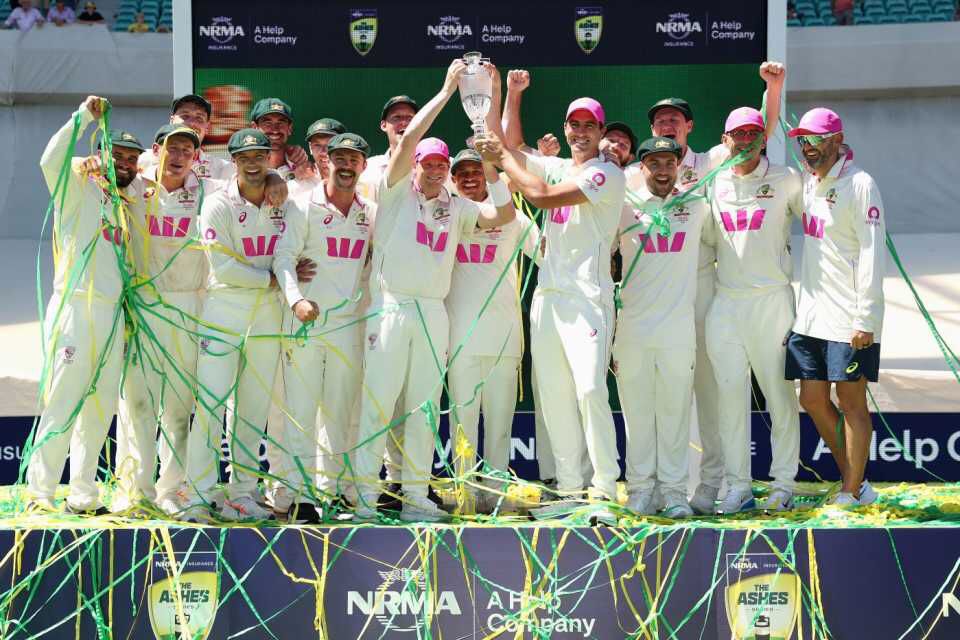
The Sydney sky hung heavy—not with rain, but with raw tension. Inside the SCG, thousands of fans sat with a knot in their stomachs. On the scoreboard, the target read 160. It looked simple, almost elementary on paper, but in reality, that number had morphed into a living nightmare. The pitch was erratic, the bounce was uneven, and standing across from them was a desperate England side that refused to die, believing even on the final day that the impossible was within reach.
Australia walked out to chase. The moment Travis Head lifted his bat, it was as if a spark hit tinder. Within the first few overs, he made it clear: he wasn’t there to survive; he was there to conquer. Confidence flowed from his blade as runs came in a torrential downpour. The opening pair added 62 runs in the blink of an eye. In the stands, there was laughter, cheers, and a collective sigh of relief. Many began to think the game was already over.
But cricket is rarely a scripted fairytale. It turns on a dime. It strikes when you least expect it. The momentum shifted the second Josh Tongue took the ball. In one over, an opener fell; in the next, another followed. A haunting silence descended upon the SCG. Where there was once laughter, there was now the sound of bated breath. A shadow of anxiety began to stretch across the Australian dressing room.
Then came the Will Jacks moment. The ball spun, Steve Smith lunged forward, and the timber rattled. Smith was bowled. For a split second, the entire stadium seemed to freeze. At one end, hope ignited in the eyes of the English supporters; at the other, the faces of the Australians were etched with dread. Moments later, Marnus Labuschagne was run out. Blow after blow, the narrative was slipping out of Australia’s hands.
Usman Khawaja’s final Test innings was tragically brief—a chop-on. As he walked off the field, his face didn’t show frustration so much as a heavy hollowness. He knew this was the end of his journey. At that exact moment, the England dressing room was electric. They started to believe. They started to think—maybe, just maybe, this is actually happening.
Cameron Green was now at the crease. A young body carrying a mountain of pressure. One delivery nearly resulted in a run-out; the next moment, another frantic close call. The stadium shuddered. Fans watched through their fingers. A second here or there, and history would have been rewritten. The English players were screaming, appealing, eyes blazing with fire. They could smell blood; they knew Australia was trembling.
That was when Alex Carey stepped up. No drama, no flashy shots—just a cold, calculating head. Just measured batting. One run, then another, occasionally a brace. Together, Green and Carey began to slowly dismantle the pressure. The tension in the stands was unbearable; no one could sit still, no one could stay silent. Every ball felt like a physical blow to the chest.
England threw everything they had. They attacked every ball, put their souls into every fielding effort. They knew they were just one wicket away from an explosion. But Green and Carey didn’t flinch. They didn’t break. They refused to let fear win.
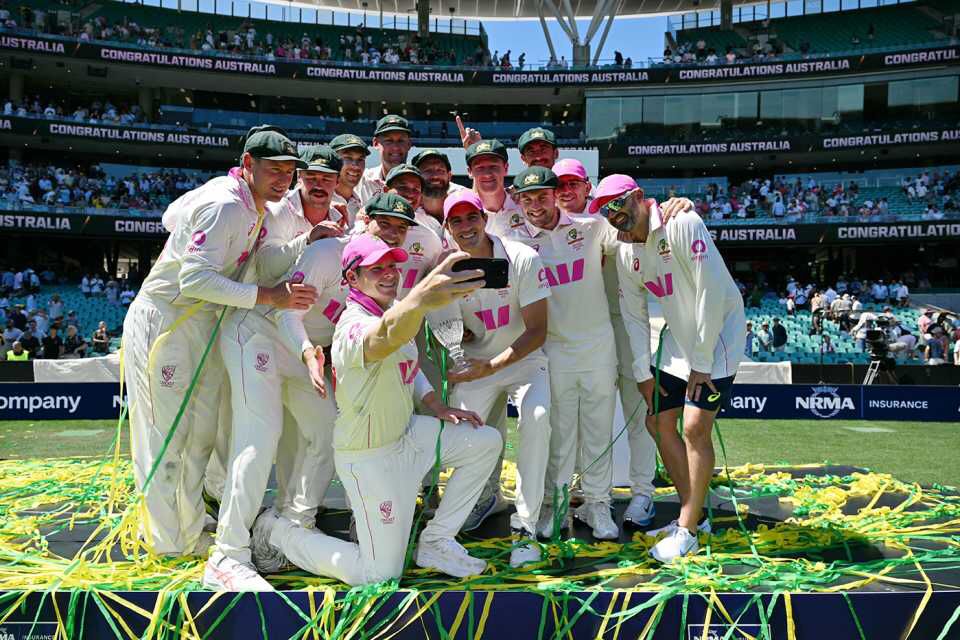
Then came the moment. The 32nd over. Carey stepped forward. The bat came down. The ball pierced the gap. The fielder chased, but it was already over. As the ball kissed the boundary rope, there was a second of pure silence followed by a sonic boom. The SCG erupted. Screams, applause, fans jumping in delirium. Players sprinted onto the field. Teammates embraced, some wiped away tears, while others looked to the heavens and exhaled.Screams, applause, fans jumping in delirium. Players sprinted onto the field. Teammates embraced, some wiped away tears, while others looked to the heavens and exhaled.
Australia had won. Not just the match, but the Ashes—4–1. History was back in their hands.
But this story isn’t just about the victors. It is the story of England’s relentless grit—Joe Root’s 160, Jacob Bethell’s 154, and a refusal to surrender until the very last hour. They were beaten, but they were not broken. They lost, but they walked away with their heads held high.
This match wasn’t merely about runs and wickets. It was a war of nerves. It was a battle against fear. It was a test of who would crack first. And when the dust settled, it was Australia who remained standing.
The Sydney sky was still heavy, but the hearts of the Australians were light. They knew this victory wouldn’t just be a statistic on a scoreboard—it would live forever in the annals of history.